The Real Truth: Ricoh GR IV or Manfrotto One?
The photography world is often defined by fierce loyalties and specialized niches. Recently, two names have dominated discussions among street photographers, travel enthusiasts, and minimalist content creators: the Ricoh GR IV and the Manfrotto One. On the surface, comparing these two might seem like an exercise in contrasts. One is the latest evolution of a legendary line of pocket-sized APS-C powerhouses, while the other represents a modern, design-forward approach to portable imaging from a brand traditionally known for its structural support systems. However, the "real truth" behind this choice lies in understanding how these tools serve the specific needs of a modern creator.
Experienced photographers know that the best camera is the one you have with you, and both of these devices aim to solve the problem of portability without sacrificing professional-grade quality. As smartphone sensors continue to improve, the justification for carrying a dedicated compact camera must be rooted in tactile control, lens character, and a specific "look" that mobile devices cannot yet replicate. In this detailed analysis, we will explore whether the Ricoh GR IV maintains its crown as the king of street photography or if the Manfrotto One has successfully disrupted the market by offering a unique alternative for those who value versatility and build quality.
The Evolution of the Stealth King: Ricoh GR IV Analysis
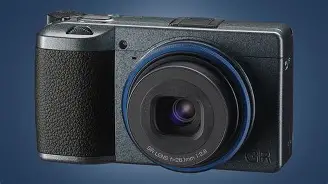
The Ricoh GR series has long been a cult classic. Its philosophy—"Shoot from the hip, think with your feet"—has remained unchanged for decades. The Ricoh GR IV represents the most significant leap forward in the series' history. It retains the iconic, understated magnesium alloy body that looks more like a 90s point-and-shoot than a high-end digital tool. This is intentional; the GR IV is designed to be invisible. In an era where large mirrorless rigs can feel intimidating to subjects in public spaces, the GR IV allows a photographer to blend into the shadows of a city street.
Inside, the sensor has been upgraded to a high-resolution 40-megapixel APS-C CMOS sensor. This increase in resolution is not just about large prints; it is about the "cropability" of the 28mm equivalent fixed focal length. For many years, Ricoh enthusiasts debated the merits of the 28mm (GR series) versus the 40mm (GRx series). With the GR IV, the high resolution allows for a 35mm or even 50mm crop mode that still yields enough detail for professional use. The lens itself has been redesigned to handle this higher resolution, featuring extra-low dispersion elements that virtually eliminate chromatic aberration, even when shooting wide open at f/2.8.

What truly sets the Ricoh GR IV apart is the "GR Handling." The interface is highly customizable. The "Snap Focus" system remains a highlight, allowing photographers to pre-set a focusing distance and bypass the autofocus system entirely, ensuring the shutter fires the exact millisecond the button is pressed. In the fast-paced world of street photography, where the difference between a masterpiece and a missed moment is a fraction of a second, this feature is invaluable. The addition of a new hybrid autofocus system with phase-detection points has also improved the camera’s ability to track subjects in low-light environments, addressing one of the few complaints users had about previous iterations.
Pros and Cons of the Ricoh GR IV
- Ultra-Portable Design: Truly fits in a pocket, making it the ultimate everyday carry camera.
- Large APS-C Sensor: Provides professional-grade image quality, dynamic range, and shallow depth of field that smartphones cannot match.
- Tactile Control: Dedicated dials and buttons designed for one-handed operation allow for lightning-fast setting changes.
- Film Simulations: The "Negative Film" and "High Contrast B&W" profiles are widely considered some of the best in the industry.
- Fixed Lens Limitations: The 28mm focal length requires the photographer to be physically close to the subject, which may not suit all styles.
- Battery Life: The small form factor limits battery size, so carrying spares is a necessity for full-day shoots.
- No Weather Sealing: Despite the rugged magnesium build, the retracting lens barrel is susceptible to dust and moisture.
The Challenger Arrives: Manfrotto One Analysis
Manfrotto is a name synonymous with tripods and bags, but the Manfrotto One marks their ambitious entry into the hardware field. Rather than trying to out-spec the tech giants, Manfrotto has focused on the "One" philosophy: one device that handles everything a modern hybrid creator needs. The Manfrotto One is slightly larger than the Ricoh, leaning into a "rangefinder-lite" aesthetic with a milled aluminum chassis that feels incredibly dense and premium.
The standout feature of the Manfrotto One is its modular lens system. While the Ricoh is locked into one view, the Manfrotto One utilizes a proprietary low-profile mount that allows users to switch between a 24mm wide angle, a 35mm "storyteller" lens, and a 75mm portrait lens. These lenses are designed to be pancake-thin, maintaining the camera's portable identity. The sensor is a full-frame 24-megapixel unit. While lower in resolution than the Ricoh, the full-frame sensor offers superior low-light performance and a natural rendering of light that is often preferred by fine-art photographers.
The Manfrotto One also integrates deeply with the brand’s existing ecosystem. The base of the camera features a built-in Arca-Swiss compatible plate, allowing it to slide directly onto most professional tripod heads without needing an extra accessory. The software interface is remarkably modern, resembling a high-end smartphone OS more than a traditional camera menu. This makes it highly approachable for a new generation of creators who find the labyrinthine menus of traditional Japanese manufacturers frustrating. It also features robust built-in stabilization, which Manfrotto claims is "tripod-grade," allowing for handheld exposures of up to two seconds in the right hands.
Pros and Cons of the Manfrotto One
- Full-Frame Aesthetic: The larger sensor provides a distinct look and excellent performance in extremely dim lighting.
- Modular Versatility: The ability to change lenses makes it a more flexible tool for varied assignments beyond just street photography.
- Integration: Built-in Arca-Swiss mounting and seamless smartphone app connectivity streamline the professional workflow.
- Build Quality: The milled aluminum body is exceptionally durable and features GORE-TEX weather sealing.
- Size and Weight: It is noticeably heavier and bulkier than the Ricoh, requiring a small bag or a sturdy strap rather than a pants pocket.
- New Platform Ecosystem: Being a first-generation product, the lens selection and accessories are currently limited compared to established systems.
- Startup Time: The sophisticated OS takes a few seconds longer to boot than the near-instantaneous Ricoh.
Detailed Comparison: Side-by-Side Specifications
To understand which tool fits your workflow, a direct comparison of the technical specifications and design choices is necessary. While numbers don't tell the whole story, they provide the framework for the "Real Truth" of their performance.
Discover deals on Cameras & Photography — updated daily.
View Offers →| Feature | Ricoh GR IV | Manfrotto One |
|---|---|---|
| Sensor Size | APS-C (23.5 x 15.6 mm) | Full-Frame (35.9 x 23.9 mm) |
| Resolution | 40.2 Megapixels | 24.5 Megapixels |
| Lens | Fixed 18.3mm (28mm Equivalent) f/2.8 | Interchangeable (35mm f/2.0 standard) |
| Weight | 257g (with battery/card) | 485g (body only) |
| Autofocus | Hybrid Phase/Contrast Detection | AI-Assisted Neural Tracking |
| Video | 4K 30p (Cropped) | 6K 30p / 4K 60p (10-bit) |
| Durability | Magnesium Alloy (No Weather Sealing) | Milled Aluminum (Weather Sealed) |
| Connectivity | USB-C, Bluetooth, Wi-Fi | USB-C (Thunderbolt), Wi-Fi 6E, Internal SSD |
Real-World Use Cases: Where They Shine
Choosing between these two cameras often comes down to the "where" and "how" of your photography. The Ricoh GR IV is the master of the mundane made extraordinary. It is the camera for the person who wants to capture life as it happens, without a buffer. Imagine walking through a crowded market in Kyoto or a busy subway in New York. The GR IV is in your hand, its wrist strap secure. You don't look like a photographer; you look like a tourist with an old gadget. You see a beam of light hitting a vendor’s face, you click, and you move on. The "Snap Focus" allows you to work with hyperfocal distance, meaning you don't even need to wait for a focus lock. It is the ultimate tool for reactive photography.
The Manfrotto One, conversely, is a tool for intentional photography and content creation. Its full-frame sensor and interchangeable lenses make it suitable for a weekend trip where you might want to shoot architecture in the morning, a portrait of a companion in the afternoon, and a cinematic video clip of the sunset. Because of its superior video specs and internal SSD option, it serves double duty as a high-end vlogging or documentary tool. If you are a creator who balances high-quality stills with a need for professional video output, the Manfrotto One offers a "ready-to-work" package that the Ricoh cannot touch. Its weather sealing also makes it a better companion for the adventurous traveler who may face rain, dust, or snow.
Buying Guide: Which One is Right for You?
When deciding which of these cameras to invest in, consider the following three criteria: Portability Needs, Visual Aesthetic, and Workflow Integration.
The Ricoh GR IV is famous for its "gritty" and "raw" look, especially in high-contrast black and white. It has a distinctive lens character that many street photographers find irreplaceable. The Manfrotto One provides the "Full-Frame Look"—more natural transitions between the in-focus and out-of-focus areas (bokeh) and a cleaner, more commercial image quality. If you want a camera that produces images that look like they came from a professional fashion or editorial shoot, the full-frame sensor of the Manfrotto is the way to go.
3. Video vs. Stills
The Ricoh GR IV is a stills-first camera. While it can record 4K video, it lacks many of the features pros look for, such as high-bitrate recording or advanced stabilization. The Manfrotto One is a true hybrid. With 6K internal recording and a design that facilitates mounting on gimbals or tripods, it is a versatile production tool. Buyers who intend to create YouTube content or high-end social media reels alongside their photography will find the Manfrotto One much more capable.
Buyer Personas
To simplify the decision, we can categorize buyers into two distinct groups based on their priorities:
The Purist Street Photographer: This individual values speed, discretion, and the heritage of the GR line. They usually shoot at 28mm or 35mm and rarely care about video. For them, the Ricoh GR IV is not just a camera; it is an extension of their eye. The "Snap Focus" is their most used tool, and the pocketability is non-negotiable. They are willing to sacrifice battery life and weather sealing for the sake of the "perfect" street tool.
Looking for the best Cameras & Photography deals on Amazon?
Shop Amazon →The Modern Digital Nomad: This individual needs one device that does everything well. They might be shooting a client project in the morning and a personal vlog in the evening. They appreciate the beautiful design and modern interface of the Manfrotto One. For them, the ability to switch to a 75mm lens for a stunning portrait or a 24mm for an expansive landscape is worth the extra weight. They value the robustness of weather sealing and the convenience of built-in tripod compatibility.
The Impact of Technology and Longevity
One final truth to consider is the ecosystem. Ricoh has a decades-long history of supporting their cameras with "Functional Expansion" firmware updates. A Ricoh GR IV bought today will likely receive new features three or four years down the line, extending its life significantly. Manfrotto is the newcomer. While their hardware is impressive, the long-term support for a new digital platform is an unknown variable. However, the use of a modular mount and an internal SSD suggests that Manfrotto is thinking about the future, attempting to build a camera that doesn't become obsolete the moment the next sensor generation arrives.
Buyers should also consider the "tactile satisfaction" of each tool. The Ricoh feels like a precision instrument—clicks are sharp, buttons are firm, and the lens motor is quiet. The Manfrotto One feels like a piece of luxury industrial design. It is cold to the touch, heavy, and undeniably modern. In a world of plastic electronics, both of these cameras stand out for their commitment to high-quality materials.
Conclusion
The real truth behind the Ricoh GR IV versus Manfrotto One debate is that they are not direct competitors, but rather two different solutions to the same desire: high-quality imaging in a portable package. The Ricoh GR IV is a specialized scalpel, honed over generations to be the fastest, most discreet street photography tool on the planet. It rewards those who understand its limitations and lean into its unique philosophy of "simplicity as power."
The Manfrotto One is a Swiss Army knife, designed for a world where the boundaries between photography and videography have vanished. It offers the professional "depth" of a full-frame sensor and the versatility of interchangeable lenses in a package that still honors the spirit of portability. It is a bold statement from a brand looking to redefine what a "creator's camera" looks like in the mid-2020s.
Ultimately, your choice should be dictated by your primary subject matter. If you are a hunter of moments on the city streets, the Ricoh GR IV remains the gold standard. If you are a builder of stories who needs to capture the world in different focal lengths and through both moving and still images, the Manfrotto One is the innovative newcomer you’ve been waiting for. Regardless of which path you choose, both cameras represent a refreshing rejection of the "bigger is better" mentality, proving that the future of photography is increasingly compact, capable, and profoundly personal.